
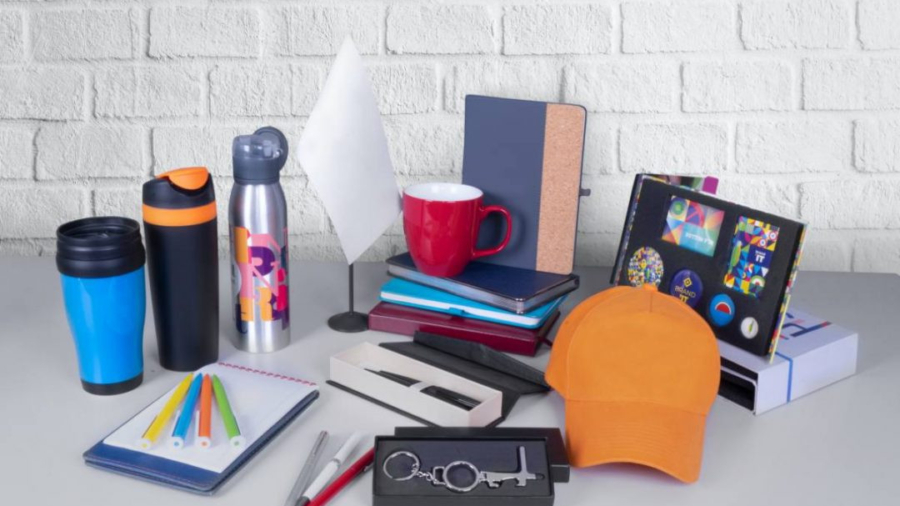
Below are seven practical ways brands can use custom merchandise to stay visible in everyday life.
How can they choose products people will genuinely use?
They should start with custom promotional products. A product that solves a small daily problem gets used more often, which means the branding gets seen more often.
Simple winners include water bottles, tote bags, phone stands, power banks, notebooks, and insulated tumblers. The best choice depends on the audience’s routines, where they work, and what they carry. If it will live in a drawer, it will not build visibility.
How can they match the product to the moment of distribution?
They should align the item with when and where it is handed out, because context drives usage. A tote at a conference is more likely to be used that day than a random gadget bagged with flyers.
Seasonality helps too. Sunscreen, caps, and sunglasses fit summer events. Hand warmers, beanies, and thermal bottles fit winter. When the product matches the moment, recipients keep it longer, and the brand stays in view longer.
How can they make the branding look premium instead of “freebie”?
They can improve visibility by making the branding tasteful. A loud logo on a cheap item often gets discarded fast, while subtle branding on a good item gets carried in public.
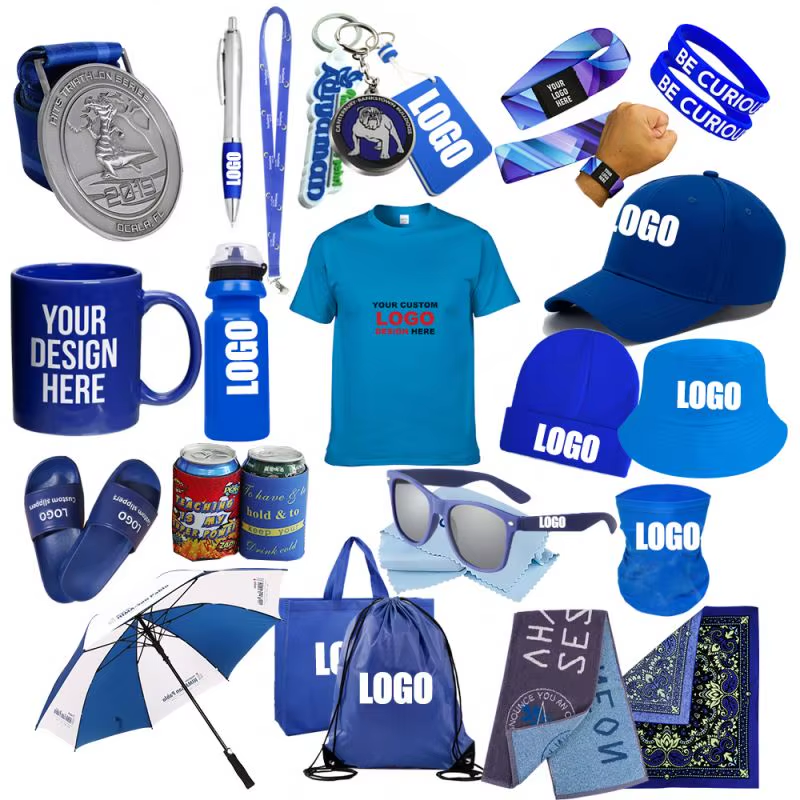
They should consider smaller logos, clean typography, and modern color palettes. Placement matters as much as size, such as a corner imprint on a notebook or a minimal mark on a bottle. When it looks like real merchandise, it becomes wearable, shareable advertising.
How can they use custom apparel to create walking billboards?
They should treat apparel like a product line, not a giveaway. A comfortable shirt or hoodie creates repeated impressions because people wear it in public, at gyms, and on errands.
Fit and fabric matter more than clever slogans. They should pick neutral colors, softer blends, and designs people would buy. A small chest logo, sleeve mark, or minimalist back print often works better than a giant front graphic.
How can they use packaging and unboxing to increase social sharing?
They can boost visibility by making the experience worth sharing. Even small touches like tissue wrap, a thank-you card, or a simple branded sticker can turn a basic item into a gift.
If the audience includes creators, customers, or new hires, they should consider curated kits rather than single items. A clean unboxing moment increases the chance recipients post it, which extends reach beyond the person holding the product.
How can they use promotional products to support sales and retention?
They should connect merchandise to a clear action. Instead of handing items out randomly, they can attach them to milestones like demos booked, renewals, referrals, or first purchases.
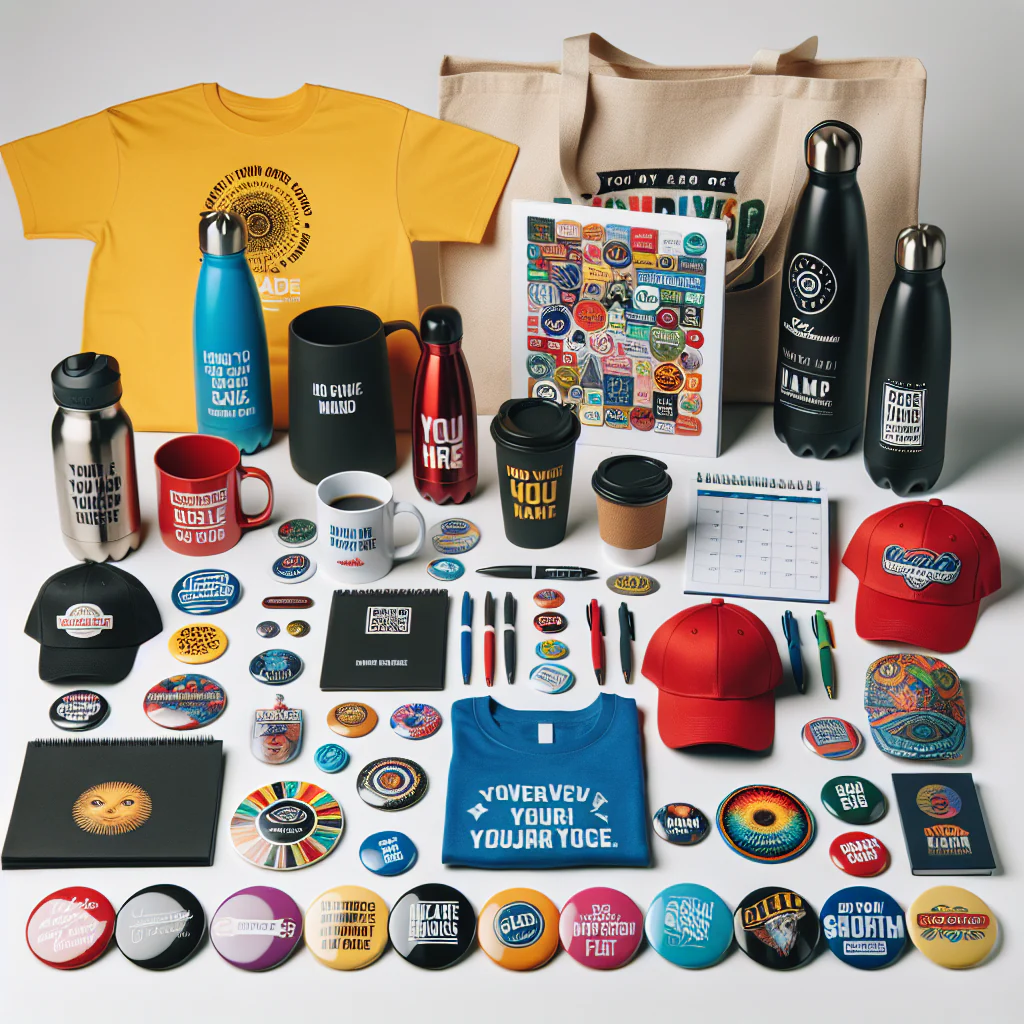
For example, a premium bottle for a yearly renewal feels like appreciation, while a small desk item after a demo keeps the brand on the buyer’s workspace. The goal is to make the product a reminder of progress, not just advertising. Learn more about custom acrylic pins: lightweight, affordable and eye-catching.
How can they measure what is actually boosting brand visibility?
They can track performance with simple systems. QR codes, unique URLs, or offer codes tied to specific items and events show what drives traffic and conversions.
They should also ask how the product is being used. Quick post-event surveys, sales team feedback, and social mentions help identify which items create real visibility. Over time, they can build a short list of “proven” products and stop wasting budget on forgettable ones.
What should they do next?
They should choose one audience, one moment, and one high-utility product, then test distribution and tracking. The best promotional strategy is rarely the biggest order; it is the one that creates repeated use, public exposure, and measurable follow-through.
FAQs (Frequently Asked Questions)
Why do custom promotional products work effectively for brand visibility?
Custom promotional products work because they transform a logo into items that people actually keep, use, and share. When these items are useful and distributed at the right moment, they create repeated brand impressions without incurring costs for every view.
How can brands choose promotional products that people will genuinely use?
Brands should prioritize utility over trendiness by selecting products that solve small daily problems, ensuring frequent use and increased brand visibility. Popular choices include water bottles, tote bags, phone stands, power banks, notebooks, and insulated tumblers. The best product depends on the audience’s routines and environment—items likely to be used regularly rather than stored away.
What strategies help match promotional products to the distribution moment?
Aligning the item with the timing and location of distribution is key since context drives usage. For example, totes handed out at conferences are more likely to be used immediately. Seasonal relevance also matters—sunscreen or sunglasses suit summer events, while hand warmers or thermal bottles fit winter occasions. Matching product to moment encourages longer retention and brand exposure.
How can branding on promotional products look premium instead of like a cheap freebie?
To achieve a premium look, brands should opt for tasteful, subtle branding. This includes smaller logos, clean typography, modern color palettes, and strategic placement like a corner imprint on a notebook or a minimal mark on a bottle. High-quality items with understated branding are worn or used publicly more often than loud logos on cheap products.
In what ways can custom apparel serve as effective walking billboards?
Custom apparel should be treated like a product line rather than giveaways. Comfortable shirts or hoodies in neutral colors and soft fabrics encourage repeated wear in public settings like gyms or errands. Designs with small chest logos, sleeve marks, or minimalist back prints typically perform better than large front graphics for sustained brand impressions.
How can packaging and unboxing experiences increase social sharing of promotional products?
Enhancing the unboxing experience with elements like tissue wrap, thank-you cards, or branded stickers turns basic items into gifts worth sharing. Curated kits rather than single items appeal especially to creators, customers, or new hires. A clean and thoughtful unboxing moment increases the likelihood recipients post about it on social media, extending brand reach beyond direct recipients.
